
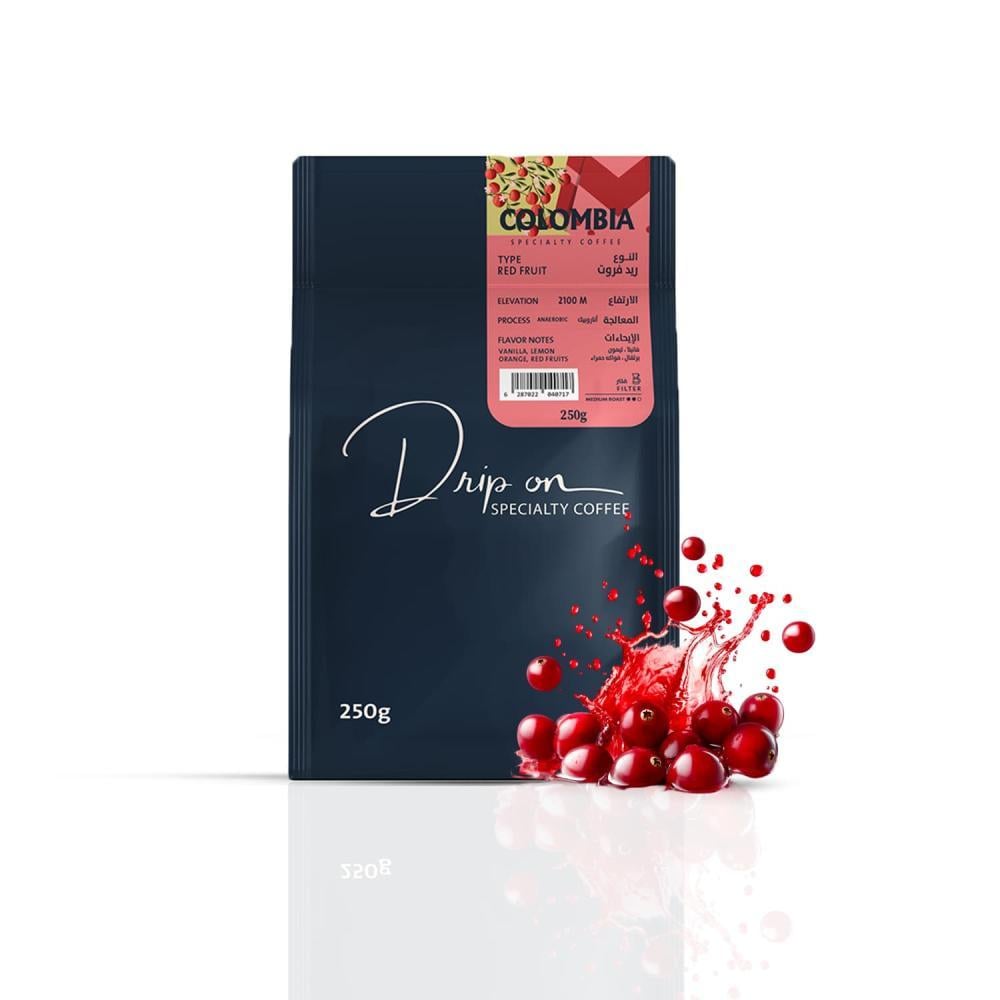
If you are looking for the best types of pour-over coffee that combine coffee quality, a variety of flavors and easy brewing, Drip On Roastery offers a range of crops suited to specialty coffee lovers in Saudi Arabia. Pour-over coffee varies by origin, processing method and roast level, giving you the chance to enjoy fruity, chocolatey or floral flavors according to your preferences. Whether you use a V60 or other filter tools, choosing the right coffee is the first step to a balanced cup.
What Is Pour-Over Coffee?
Pour-over coffee is a drink made by passing hot water through ground coffee using a paper or metal filter, which extracts the compounds responsible for flavor and aroma.
The best types of pour-over coffee stand out for their clear flavor notes and the ability to control grind size, amount of water and extraction time.
Benefits of Pour-Over Coffee
- Highlights the natural flavors of the coffee.
- Lets you control the strength of the drink.
- Suitable for hot and iced brewing.
- A variety of crops and origins.
- Can be brewed without an espresso machine.
- Easy to adjust the recipe to your taste.
You can learn about the equipment you need in our guide to V60 pour-over coffee tools.
The Best Types of Pour-Over Coffee by Country of Origin
Choosing the best types of pour-over coffee depends on your personal preferences, as each origin offers potential characteristics that vary with processing and roasting.
1. Ethiopian Pour-Over Coffee
Many Ethiopian crops are known for fruity and floral notes such as berries, peach, jasmine and citrus.
They suit people who prefer aromatic coffee with bright acidity.
2. Colombian Pour-Over Coffee
Colombian crops are very diverse and may include notes of chocolate, caramel, fruit and citrus.
They suit those who love a balance of sweetness and acidity.
3. Brazilian Pour-Over Coffee
Many Brazilian crops are known for classic flavors such as chocolate, nuts and caramel.
They are a good choice for beginners and lovers of lower-acidity coffee.
4. Kenyan Pour-Over Coffee
Kenyan coffee may have bright acidity and notes of berries and citrus, making it suitable for lovers of bold, distinctive flavors.
5. Yemeni Pour-Over Coffee
Yemeni coffee varies widely by region and processing and may offer fruity, spicy or chocolatey flavors.
Comparison Table of the Best Types of Pour-Over Coffee
The following table helps you compare the best types of pour-over coffee and choose the right crop.
| Origin | Common Flavors | Likely Acidity | Best For |
| Ethiopia | Fruit and flowers | Medium to high | Lovers of fruity coffee |
| Colombia | Caramel, fruit and chocolate | Medium | Lovers of balance |
| Brazil | Chocolate and nuts | Low to medium | Beginners |
| Kenya | Berries and citrus | Medium to high | Lovers of acidity |
| Yemen | Fruit, spices and chocolate | Varied | Lovers of complex flavors |
Note: These are general characteristics of the origins, not a fixed description of every crop.
The Best Filter Coffee Crops from Drip On
When looking for the best types of pour-over coffee, you can compare Drip On crops by flavor, processing and roast level.
Ethiopia Hambela
A crop for lovers of fruity and floral coffee, with notes including red fruits, mango, jasmine and peach according to the crop description.
Ethiopia Guji Korma
It features notes including blueberry, brown sugar, apricot, strawberry and grape, making it a choice for lovers of fruity flavors.
Colombia Caldas
It combines notes of milk chocolate, black tea, dried fruits, peach and mandarin.
Colombia Cotton Candy
An anaerobically processed crop with notes of citrus, orange, caramel and sweetness, offered in a medium roast suitable for filter brewing.
These options show the importance of reading the crop card before buying, as origin alone does not determine the final flavor.
More Than 12 Drip On Products for Pour-Over Coffee
You can explore the best types of pour-over coffee through coffee crops available in different weights, along with bundles that help you try more than one crop.
Here are 13 options from Drip On products:
| Product | Weight | Suggested Use |
| Colombia Berry Anaerobic | 125 g | Trying a fruity crop |
| Colombia Berry Anaerobic | 250 g | Home pour-over |
| Colombia Berry Anaerobic | 1 kg | Regular consumption |
| Colombia Strawberry Anaerobic | 125 g | Trying fruity flavors |
| Colombia Strawberry Anaerobic | 250 g | Pour-over coffee |
| Colombia Strawberry Anaerobic | 1 kg | Regular use |
| Colombia Castillo | 125 g | Trying the crop |
| Colombia Castillo | 250 g | Home brewing |
| Colombia Castillo | 1 kg | Regular consumption |
| Ethiopia Kaya | 125 g | Trying Ethiopian coffee |
| Ethiopia Kaya | 250 g | Pour-over |
| Ethiopia Kaya | 1 kg | Regular use |
| Fruity Ethiopians Bundle | 750 g | Comparing different crops |
These are 13 purchase options covering four crops and one bundle, not 13 different crops. Check grind options and availability before ordering.
You can view them in Drip On's latest products.
The Best V60 Coffee for Beginners
The V60 is one of the most popular ways to brew the best types of pour-over coffee, because it gives you control over grind size, water temperature and pouring speed.
Which Coffee Suits Beginners?
It is best to start with a medium-roast crop with balanced flavors, then gradually try fruity crops and different processing methods.
What Tools Do You Need?
- A V60 dripper.
- Suitable paper filters.
- A coffee grinder.
- A digital scale.
- A suitable kettle.
- A cup or server.
- Fresh specialty coffee.
You can explore filter options in the pour-over coffee section.
How to Brew V60 Pour-Over Coffee
For a balanced taste from the best types of pour-over coffee, you can start with a simple recipe.
Ingredients
- 15 grams of coffee.
- 240 ml of water.
- An initial temperature of 90 to 94°C.
- A medium to medium-fine grind.
Brewing Steps
- Heat the water to the right temperature.
- Place the filter in the V60 dripper.
- Rinse the filter with hot water.
- Add the ground coffee.
- Pour about 45 grams of water for the bloom.
- Wait 30 to 45 seconds.
- Continue pouring gradually up to 240 grams.
- Wait for dripping to finish, then serve the coffee.
You can start with a total time of about two and a half to three and a half minutes, then adjust the grind and pour based on the result.
Coffee Types Suitable for Pour-Over
When choosing the best types of pour-over coffee, consider the roast level and processing method as well as the origin.
Light-Roast Coffee
It often helps bring out fruity and floral notes and acidity.
Medium-Roast Coffee
It offers a balance between sweetness, acidity and roasted flavors.
Dark-Roast Coffee
It tends to emphasize roasted flavors and bitterness, and some delicate fruity notes may be reduced.
So there is no perfect roast level for everyone; the choice depends on the taste you prefer.
Coffee Processing Methods for Pour-Over
The processing method affects the characteristics of the best types of pour-over coffee, especially sweetness, acidity and body.
Washed Processing
It is often known for clear flavors and a clean cup, and may help highlight acidity.
Natural Processing
It may produce more pronounced fruity notes and sweetness because the cherry is dried with the beans.
Anaerobic Processing
It uses controlled fermentation conditions with reduced oxygen and may produce distinctive flavors that vary by crop and method.
Honey Processing
The beans are dried with part of the surrounding mucilage left on, which may balance sweetness and acidity.
The Best Fruity Pour-Over Coffee
If you are looking for the best types of pour-over coffee with fruity flavors, it is worth exploring Ethiopian and Colombian crops whose cards mention fruit notes.
What Flavors Might You Find?
- Berries and strawberry.
- Peach and apricot.
- Orange and citrus.
- Mango and tropical fruits.
- Grape and dried fruits.
These notes refer to aromas and tastes perceived in the coffee and do not necessarily mean fruit has been added to the coffee.
You can discover more crops in our article on the best Colombian coffee in Saudi Arabia.
The Best Iced Pour-Over Coffee
The best types of pour-over coffee can be brewed iced using the hot-brew-over-ice method, known as Japanese Iced Coffee.
Starter Recipe
- 20 grams of coffee.
- 180 grams of hot water.
- 120 grams of ice in the server.
Start with the bloom, then continue pouring gradually over the coffee so the hot coffee collects directly over the ice.
This method chills the drink quickly and may preserve the clarity of the aromatic notes.
You can adjust the water-to-ice ratio according to the result you want.
The Difference Between Pour-Over Coffee and Espresso
When comparing the best types of pour-over coffee with espresso, there is a clear difference in extraction method, body and concentration.
| Comparison | Pour-Over Coffee | Espresso |
| Brewing method | Filtering with water | Extraction under pressure |
| Grind | Usually medium | Fine |
| Drink size | Usually larger | Smaller |
| Body | Usually lighter | More concentrated |
| Tools | V60 or filter tools | Espresso machine |
| Flavors | Clear notes | Higher concentration |
The difference between the two methods does not mean one is better overall; each suits different preferences.
The Best Coffee for Black Pour-Over
Choosing the best types of pour-over coffee to drink black depends on the balance of sweetness, acidity and body.
For Lovers of Light Coffee
Choose a light-roast crop with fruity and floral notes.
For Lovers of Balanced Coffee
Try a medium-roast crop with notes of caramel and chocolate.
For Lovers of Strong Coffee
You can adjust the coffee-to-water ratio for a more concentrated drink, without necessarily using a dark roast.
How to Choose Coffee for Pour-Over
When buying the best types of pour-over coffee, follow these steps:
- Decide which flavors you prefer.
- Choose the right origin.
- Review the processing method.
- Check the roast level.
- Choose the pack weight based on your consumption.
- Make sure the grind suits your brewing method.
- Check the roast date, if available.
- Start with a small amount when trying a new crop.
You can read about coffee crop boxes to learn about trying more than one crop in a single bundle.
Common Mistakes When Brewing Pour-Over Coffee
Some mistakes can affect the taste of the best types of pour-over coffee, even when using high-quality coffee.
The Wrong Grind
A grind that is too fine can slow down dripping, while a coarse grind may result in weak extraction.
Not Measuring the Water
Inconsistent ratios lead to a different taste from one cup to the next.
Using Old Coffee
Aromas and flavors can fade over time, especially after the coffee is ground.
Ignoring Water Quality
Minerals and odors in the water affect the extraction process.
Changing All the Variables at Once
It is best to adjust one variable per brew so you can tell why the taste improved or got worse.
Why Choose Drip On for Pour-Over Coffee?
When looking for the best types of pour-over coffee, it helps to choose a roastery that offers a variety of origins, crops and weights.
Drip On offers Ethiopian, Colombian, Brazilian and other coffees, as well as products suitable for pour-over and specialty coffee drip bags.
Benefits you can enjoy include:
- A variety of coffee crops.
- Different weights available.
- Options suitable for filter brewing.
- The chance to try varied bundles.
- Ready-made coffee drip bags.
- Following offers and new products.
For those who prefer easy brewing at work or while traveling, you can read our guide to pour-over coffee bags.
Pour-Over Coffee Prices in Saudi Arabia
Prices of the best types of pour-over coffee vary by origin, processing, pack weight and the rarity of the crop.
A 250-gram pack may be suitable for trying a new crop, while buying a kilo may be more economical for those who drink coffee regularly.
To calculate the cost of coffee per cup:
Cost per cup = Pack price ÷ Pack weight × Amount of coffee used
If 250 grams of coffee costs 60 and you use 15 grams per cup, the cost of the coffee is about 3.60 SAR, not including the filter, water and tools.
You can follow specialty coffee offers in Saudi Arabia to learn how to compare prices and bundles.
Is Pour-Over Coffee Suitable for Beginners?
Yes, beginners can enjoy the best types of pour-over coffee using simple tools and a consistent recipe.
Start with a medium-roast crop, use a scale to measure the coffee and water, and note the result after each brew.
Over time, you can try fruity crops and different processing methods and adjust the grind and water temperature to reach the taste you like.
Conclusion
Choosing the best types of pour-over coffee depends on the coffee origin, roast level, processing method and personal preferences. Ethiopian crops may suit lovers of fruity flavors, some Brazilian crops offer a chocolatey character, and Colombian coffee stands out for its wide variety of notes.
For a balanced cup, choose coffee suitable for pour-over, use the right grind and a consistent water ratio, then adjust the recipe gradually to your taste.
Start by trying a new crop, compare the flavors and enjoy brewing specialty coffee at home the way you like it.
Frequently Asked Questions About the Best Types of Pour-Over Coffee
1. What are the best types of pour-over coffee in Saudi Arabia?
The best types of pour-over coffee depend on personal taste. Ethiopian coffee often suits lovers of fruity flavors, Brazilian coffee suits lovers of chocolate and nuts, while Colombian crops offer varied and balanced options.
2. What is the best roast level for pour-over coffee?
Many specialty coffee lovers prefer a light or medium roast because it helps bring out the natural notes of the coffee. However, the final choice depends on the crop and the taste you prefer.
3. What is the difference between pour-over coffee and V60?
Pour-over coffee is a category of brewing methods in which water passes through coffee and a filter, while the V60 is a specific tool used for manual pour-over brewing. So the V60 is one way to make pour-over coffee.