
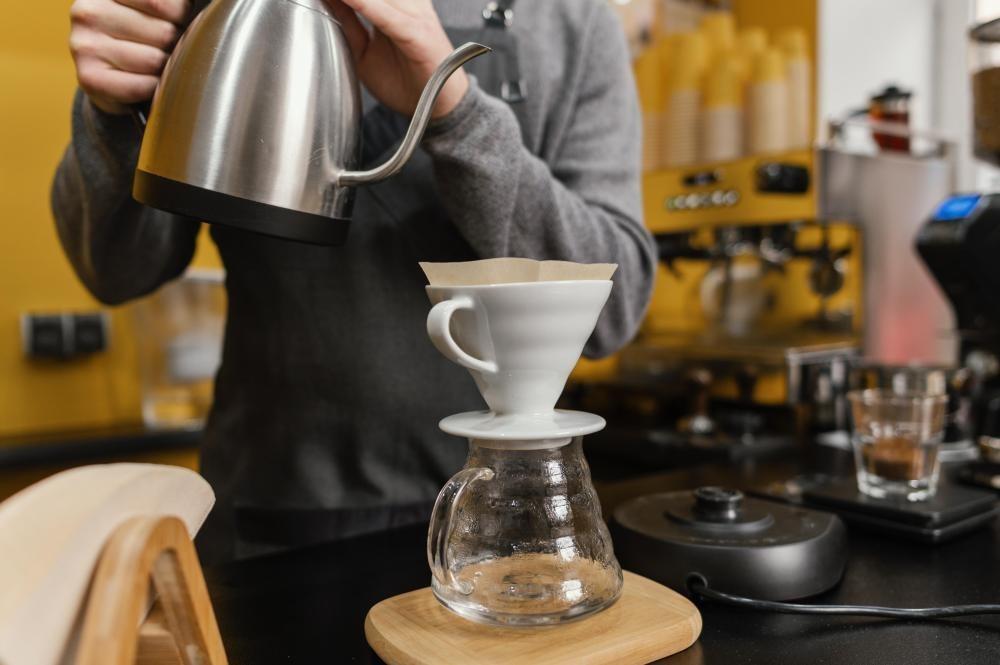
What is the difference between regular coffee and specialty coffee? This is a frequently asked question among coffee lovers, especially with the proliferation of modern cafes and drip coffee products in the Saudi and Gulf markets. The " Drip On Coffee " website explains that the difference isn't limited to taste or brewing method; it also encompasses the quality of the coffee beans, cultivation methods, roasting techniques, and the coffee's global ranking. As specialty coffee culture has evolved, consumers have become more interested in knowing the origin of the beans, roast levels, and extraction methods to achieve the best possible flavor. Specialty coffee is characterized by higher quality and a more balanced experience compared to traditional commercial coffee. Modern brewing methods, such as hand-drip and drip coffee, help to highlight the natural flavors of the beans in a professional manner that appeals to specialty coffee enthusiasts.
What is the difference between coffee and specialty coffee?
The difference between conventional and specialty coffee lies in the quality of the beans and how they are processed, roasted, and brewed. Commercial coffee is often produced in large quantities without much focus on quality details, while specialty coffee adheres to strict international standards to ensure the best possible taste.
Specialty coffee receives a rating exceeding 80 points out of 100 according to the World Specialty Coffee Association, meaning it is virtually flawless and features clear, balanced flavors.
Definition of traditional coffee
Traditional coffee is commercially available coffee produced in large quantities to meet global demand. It often prioritizes rapid production over bean quality.
Its most prominent characteristics include:
- Relatively low price.
- Less complex flavors.
- Using multiple quality blends.
- Very dark roasting temperatures.
- Widely available in the markets.
Definition of specialty coffee
Specialty coffee is high-quality coffee that is carefully selected from specific farms according to precise standards that include cultivation, processing, roasting and storage.
It is characterized by:
- Clear, natural flavors.
- High quality grains.
- Professional roasting.
- Trace the source of the coffee.
- Certified global assessment.
The "Drip On Coffee" website offers multiple types of specialty coffee suitable for various modern brewing methods.
Stages of specialty coffee production
Specialty coffee goes through several precise stages that contribute to improving the final quality of the beverage.
Agriculture and crop care
High-altitude agricultural areas with a suitable climate are selected to produce high-quality grains.
manual harvesting
Specialty coffee farms rely on harvesting only ripe beans to ensure a balanced flavor.
Treatment
This includes removing the husk and drying the grains using various methods such as:
- Washed treatment.
- Natural treatment.
- Honey treatment.
Roasting
Coffee is roasted at carefully considered temperatures to highlight natural flavors rather than masking them with dark roasting.
This is why the specialty coffee experience is so distinctly different from traditional commercial coffee.
The difference in taste and flavor
One of the most important answers to the question, "What is the difference between coffee and specialty coffee?" relates to the flavor and final taste of the coffee.
Traditional coffee flavors
Commercial coffee tends to have strong, burnt flavors due to very dark roasting.
Specialty coffee flavors
Specialty coffee features a wider variety of flavors, such as:
- Fruits.
- Chocolate.
- Caramel.
- Nuts.
- Flowers.
Modern brewing methods such as drip-on coffee also help to highlight these flavors more clearly.
The importance of roasting in specialty coffee
Roasting is considered one of the most important stages in preparing specialty coffee because it directly affects the final flavor.
light roasting
It preserves natural flavors and fruity acidity.
Medium roast
It provides a balance between sweetness and sourness.
dark roast
It gives off strong, roasted flavors, but it may hide some of the finer details of the coffee.
Specialty coffee shops rely on a precise roasting method that suits each type of coffee.
Methods of preparing specialty coffee
There are several ways to prepare specialty coffee, which vary depending on the tools and extraction method.
manual distillation
Manual distillation is one of the most popular methods used to bring out natural flavors.
Espresso
Espresso relies on the pressure of hot water to extract coffee quickly.
French Press
It provides a heavier texture and a richer flavor.
Drip On Coffee
Drip-on coffee has become one of the most widespread methods due to its ease and speed, as it allows the preparation of a high-quality specialty cup of coffee without the need for complicated equipment.
The "Drip On Coffee" website offers a variety of options to suit both instant and specialty coffee lovers.
Difference in caffeine content
Some people wonder, when searching for the difference between coffee and specialty coffee, about the percentage of caffeine between the two types.
The truth is that caffeine content depends on several factors, such as:
- Type of coffee.
- Preparation method.
- Degree of roasting.
- Amount of coffee used.
But specialty coffee often provides a more balanced experience without excessive bitterness.
Health benefits of specialty coffee
Specialty coffee may offer greater health benefits when prepared correctly and without excessive additives.
Improving focus
Caffeine helps increase attention and improve mental performance.
Antioxidants
Coffee contains antioxidant compounds that help reduce oxidative stress.
Improving physical activity
Coffee may help improve athletic performance and daily energy levels.
Mood improvement
Moderate coffee consumption is associated with improved mood and reduced feelings of fatigue.
However, moderation in caffeine consumption is always advised.
Is specialty coffee better for the digestive system?
Some people believe that specialty coffee may be gentler on the stomach due to the quality of roasting and processing.
Symptoms of coffee allergy
Some people may experience:
- Acidity.
- Stomach upset.
- Palpitations.
- restlessness.
Causes of stomach irritation
Include:
- Excessive caffeine intake.
- Very dark roast.
- Drinking coffee on an empty stomach.
Prevention methods
- Moderation in consumption.
- Choosing high-quality coffee.
- Reduce sugar and artificial additives.
Comparison between traditional coffee and specialty coffee
Ingredient: Traditional coffee, specialty coffee; Bean quality: Medium or low to very high; Roast: Dark, often balanced; Flavor: Strong and burnt, varied and pronounced; Traceability : Unspecified, known source; Preparation methods : Traditional, professional, and variedHow do you choose the right specialty coffee?
Choosing the right coffee depends on your personal taste and preferred method of preparation.
Choose according to flavor
- Fruits for those who love acidity.
- Chocolate for lovers of heavy flavors.
- Nuts for those who love balance.
Choose according to the preparation method
Some types of coffee beans are more suitable for espresso, while others are more suitable for drip coffee.
Check the roasting date
It is preferable to buy fresh coffee to get the best possible flavor.
Drip On Coffee's role in spreading specialty coffee culture
The "Drip On Coffee" website offers specialized content and products that help coffee lovers discover the best types of coffee beans and modern preparation methods.
One of the site's most notable features is:
- Providing high-quality specialty coffee products.
- Explaining the different preparation methods.
- Offering a variety of coffee options.
- Supporting both beginner and professional coffee lovers.
- Providing drip-on coffee products easily.
The website also contributes to spreading the culture of specialty coffee within the Saudi market in a professional manner.
Common mistakes when preparing specialty coffee
Even the best types of coffee can give unsatisfactory results if prepared incorrectly.
Using unsuitable water
Poor water quality directly affects the taste of the coffee.
Incorrect grinding
Each preparation method requires a suitable degree of grinding.
Improper coffee storage
Exposure to moisture and air quickly reduces the quality of coffee.
Over-extraction
It may lead to excessive bitterness in the coffee.
The future of specialty coffee in Saudi Arabia
The specialty coffee sector is experiencing rapid growth within the Kingdom, with increasing interest among young people in modern cafes and professional preparation methods.
This growth is expected to continue through:
- The spread of specialty cafes.
- Increased demand for high-quality coffee.
- The development of Drip On coffee products.
- Increased awareness of coffee culture.
- Supporting local projects.
What's the difference between regular coffee and specialty coffee? It lies in the quality of the beans, the cultivation methods, the roasting and brewing processes, and the overall experience that specialty coffee enthusiasts enjoy. With the rise of modern coffee culture in Saudi Arabia, many consumers are now paying close attention to the finer details of flavor, bean quality, and brewing methods, as exemplified by "Drip On Coffee." The "Drip On Coffee" website continues to offer specialized products and information to help customers enjoy a professional coffee experience that suits all tastes. If you want to explore the world of specialty coffee, choosing the right beans and the correct brewing method is the true beginning of enjoying the best cup of coffee every day.
