
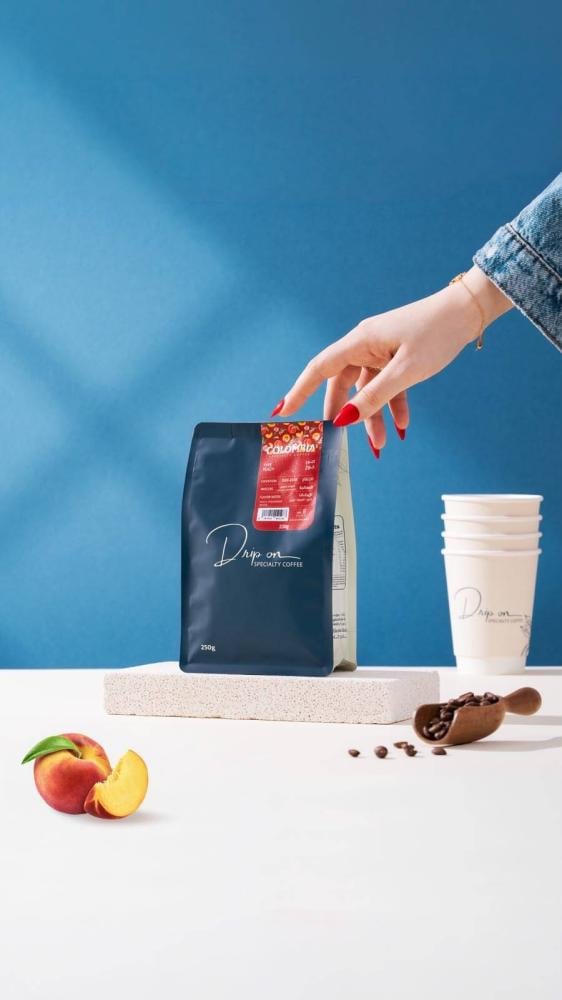
Specialty coffee bean prices in 2026 varied significantly in the Saudi market due to differences in country of origin, crop quality, processing methods, grade, and roasting and import costs. Drip On Roastery offers a diverse range of classic and premium beans in various weights, helping coffee lovers choose the perfect bean to suit their taste, brewing method, and budget.
Buying specialty coffee is no longer just about finding the lowest price; true value lies in factors such as roast freshness, clear source of beans, consistent quality, and compatibility with espresso or drip coffee. This guide will help you understand pricing and the factors that influence it before making your purchase decision.
Specialty coffee bean prices in Saudi Arabia 2026
In 2026, the price of specialty coffee beans in Saudi Arabia ranged approximately between 30 and 85 riyals for a 250-gram package, while the price of a kilo package for classic crops started at about 100 riyals, and may exceed 300 riyals for rare crops or those with experimental treatments.
Actual prices vary depending on the store, seasonal offers, shipping fees, and harvest and roasting dates. Approximate market averages can be broken down as follows:
Crop Type, Package Weight, Approximate Price Range: Classic Everyday Crop 125g 18–35 SAR; Classic or Balanced Crop 250g 30–50 SAR; High Quality Crop 250g 50–70 SAR; Premium or Specially Treated Crop 250g 70–100 or more; Classic Crop 1kg 100–160 SAR; Premium Crop 1kg 160–250 SAR; Rare or Anaerobic Crop 1kg 250–350 or more
These ranges are guidelines and not fixed prices, as stores may offer discounts or bundles combining several crops. Current market models show clear variations; for example, a kilogram of Ugandan Drip On is offered at 105.40, while a Colombian crop with anaerobic processing and coconut notes is offered at 254.63, illustrating the impact of origin, processing, and scarcity on price. Drip On Roastery
Why do specialty coffee prices vary?
Specialty coffee bean prices in 2026 cannot be determined based on weight alone. Two packages may weigh the same, but one may cost twice as much due to factors related to production, quality, and processing.
1. Country of origin
The country where coffee is grown influences flavor characteristics, production costs, and export prices. Some of the most common origins include:
- Ethiopia: Known for its floral, citrus, and fruity notes.
- Colombia: Offers a great variety of chocolates, caramels, and fruits.
- Brazil: Typically characterized by a balanced texture and nutty and chocolate flavors.
- Costa Rica: Known for its cleanliness, clarity, and sweetness.
- Uganda: Offers crops with fruity flavors and a distinct texture.
- Yemen: Some of its coffee is considered a rare and expensive option.
A high price from a particular origin does not mean that all its crops are better, because the region, farm, altitude, breed and processing are factors that are just as important as the name of the country.
2. Crop evaluation score
Coffee is classified as specialty when it typically scores 80 points or higher according to specialized tasting criteria. The higher the score, the greater the likelihood of aromatic complexity, sweetness, purity, and balance in the cup.
The rating is reflected in the prices of specialty coffee beans in 2026 , especially when the crop exceeds 85 or 87 points, or comes from a limited-production farm.
3. Treatment method
The method used to separate the coffee bean from the coffee fruit affects the flavor and cost; some of the most common methods include:
- Washed treatment: produces a clean and clear cup.
- Dried or natural processing: enhances sweetness and fruity flavors.
- Honey processing: It achieves a balance between cleanliness, sweetness, and texture.
- Anaerobic processing: delivers concentrated and complex flavors.
- Fermentation or infusion treatment: may add an exceptional fruity character.
Experimental treatments require careful monitoring and more time, and therefore their prices are often higher than traditional crops.
4. Crop scarcity and production quantity
Prices rise when coffee comes from a small farm or specific plot of land, or when it is from a rare variety such as Geisha. Winning crops from auctions or competitions also increase in value due to limited quantities and high demand.
5. Import and roasting costs
The cost of green coffee includes shipping, storage, insurance, customs duties, and losses during roasting and packaging. A roastery also needs professional equipment and a team capable of developing a suitable roasting curve for each crop.
Therefore, specialty coffee prices in 2026 do not only reflect the price of the raw beans, but also include a series of processes aimed at delivering consistent quality coffee to the consumer.
6. Packaging quality
The packaging plays a crucial role in protecting coffee from oxygen, moisture, and light. Professional roasters use bags equipped with a one-way valve that allows gases to escape without air entering.
Good packaging may increase the cost slightly, but it preserves flavor and freshness for a longer period, especially when buying large packages.
Specialty coffee bean prices by weight
Price of a 125-gram pack
Prices for specialty coffee beans in 2026 for a 125-gram package typically range from 18 to 35 riyals, and may be higher for rarer crops. This weight is suitable for those who want to try a new crop before buying a larger quantity.
Among the advantages of the small package:
- Reduce the likelihood of buying a product that doesn't suit your taste.
- Experience with more than one origin or processing method.
- Maintaining freshness.
- Suitable for those who drink coffee at widely spaced intervals.
However, the cost per gram in small packages is usually higher compared to a kilogram package.
Price of a 250-gram pack
The 250-gram package is the most popular choice among specialty coffee lovers. Prices typically range from 30 to 85 riyals, depending on the variety of coffee.
One Saudi market page indicates that some specialty coffee products weighing 250 grams are offered at approximately 38 to 80.5 riyals, while another example of a Mexican coffee is priced at 40 riyals, supporting the wide price range depending on the brand and crop. (Crabbit, Mexican Crop, 250 grams)
The 250g pack offers a practical balance between price and freshness, and is often enough to prepare:
- Approximately 16 cups when using 15 grams per cup.
- About 13 cups when using 18 grams.
- About 12 cups when using 20 grams.
Price of a kilo of specialty coffee
Specialty coffee bean prices in 2026 start from about 100 riyals per kilo for economy crops or balanced blends, and rise to more than 300 riyals for some luxury crops.
The one-kilogram package offers a lower cost per cup, but it's suitable for people who consume coffee regularly, or for families, offices, and small cafes. Current examples include:
- Ugandan Rwenzori beans, per kilo: 105.40 riyals.
- Brazilian coffee beans, 1 kg: 101.79 riyals.
- Blend Specialty Coffee, 1 kg: 118.15 Riyals.
- Colombia Coconut, 1 kg: 254.63 Riyals.
- Colombia Passion Fruit Anaerobic, 1 kg: 282.12 Riyals.
These prices may change as a result of discounts or store updates, so you should check the product page before purchasing.
Coffee prices by origin
Ethiopian coffee
It is favored by drip coffee lovers for its floral and fruity notes. Prices for specialty coffee beans from Ethiopian crops typically fall within the mid-range, but they increase if the crop is from a renowned region or undergoes specialized processing.
Ethiopian coffee is suitable for V60, Chemex and cold brew methods, and some may prefer it in espresso for giving it a distinct fruity acidity.
Colombian coffee
Colombian coffee is characterized by great diversity; there are balanced daily crops and others that are anaerobic with strong tropical flavors. Therefore, you may find a significant price difference between two crops from the same country.
Classic Colombian crops are suitable for espresso and filter, while special treatments target those looking for a different tasting experience.
Brazilian coffee
Brazilian coffee is often a good choice for those who prefer chocolate, nuts, a full body, and low acidity. It is also used in espresso blends and milk-based drinks.
Specialty coffee prices in 2026 for Brazilian coffee remain within a range suitable for everyday consumption in most cases, with exceptions for higher-rated crops.
Costa Rican coffee
It is typically characterized by its cleanliness, sweetness, and balanced composition, and its price is influenced by the region, variety, and processing method. Honey processing yields a sweet and balanced cup suitable for distillation methods.
Is the most expensive coffee always the best?
A higher price doesn't automatically mean the coffee will suit your taste. The crop might be expensive due to its rarity or complex processing, but you might prefer a less expensive, classic crop with chocolate and nutty flavors.
When comparing specialty coffee bean prices in 2026 , ask about the following:
- Do you prefer fruity or chocolatey flavors?
- Do you prepare coffee by drip or espresso?
- Do you drink it black or with milk?
- Do you prefer a pronounced acidity or a thick consistency?
- What is your weekly consumption rate?
- Do you have a mill capable of delivering a consistent grind?
The best coffee is the one that gives you the flavor you love, not necessarily the one that carries the highest price.
How do you choose the right coffee beans for your brewing method?
Drip coffee and V60
Choose a light to medium roast, with clear information about origin, processing, and flavor profiles. These methods are suitable for Ethiopian, Kenyan, Colombian, and Costa Rican crops with fruity or floral characteristics.
Espresso
Look for a medium roast, a defined body, and good sweetness. Brazilian and Colombian beans, as well as well-balanced blends, are suitable for espresso and milk-based drinks.
cold coffee
A fruity infusion can be used for a refreshing drink, or a chocolatey one for a calmer texture. Cold infusion helps reduce the perception of acidity and bitterness.
French Press
This method works well with medium roasting and plump crops. Coarse grinding is preferred to minimize sediment and excess extraction.
Linking specialty coffee bean prices in 2026 to the preparation method ensures that you don't pay a high price for a crop whose benefits don't show with your current equipment.
How do you get the best value for your price?
Compare the cost of the cup
Don't just compare the price of the package. Calculate the cost of the cup using the following equation:
Price per pack ÷ Number of cups = Cost of coffee per cup
If the price of a 250-gram pack is 45 riyals, and you use 15 grams per cup, you will get about 16 cups, and the cost of coffee per cup will be about 2.8 riyals.
As for a one-kilo pack priced at 120 riyals, it produces about 66 cups with the same dosage, making the cost of coffee about 1.8 riyals per cup.
Start with a small package
When trying a new origin or processing method, choose 125 or 250 grams. If you like the product and your consumption is high, you can switch to the kilogram package.
Take advantage of the packages
Multi-crop bundles can be a good option for trying different flavors at a lower cost than buying each crop individually. They also help you determine which origin suits you best before ordering a large quantity.
Keep up with the offers without sacrificing freshness
Special offers may reduce the price of specialty coffee beans in 2026 , but be sure to check the roasting date and the quantity you can consume. Buying a large quantity is not a saving if the coffee has lost a significant portion of its flavor before you can use it.
Buy whole grains
Ground coffee loses its aromatic compounds more quickly. Therefore, it is preferable to buy whole beans and grind the required amount just before brewing.
How do you preserve coffee after buying it?
To get the most out of the price you paid:
- Keep the coffee inside its original airtight container.
- Close the bag tightly after each use.
- Store it in a dry, dark, and moderately warm place.
- Avoid placing the container near the oven or window.
- Do not open the package repeatedly without need.
- Grind only the amount used.
- Do not put coffee in the refrigerator every day, as humidity and temperature changes may affect it.
When purchasing a large quantity, the coffee can be divided into small, tightly sealed portions and the unused portions frozen, provided they are not refrozen or opened before reaching room temperature.
When is a one-kilo pack an economical option?
The one-kilo package becomes more economical when you consume coffee regularly and can finish the quantity within a reasonable timeframe. The difference is clearly evident when comparing the price of specialty coffee beans per 100 grams rather than comparing the total price.
Choose the kilogram if:
- Prepare two or more cups daily.
- Coffee is used by more than one person in the household.
- You need it in an office or small business.
- I know the crop and have tried it before.
- It has suitable storage facilities.
If you like variety or drink coffee once or twice a week, 250-gram packs may be better, although the cost per gram is slightly higher.
The difference between a classic crop and a premium crop
The classic blend offers familiar and balanced flavors, such as chocolate, caramel, nuts, and light fruit. It's suitable for everyday use and for those beginning their specialty coffee journey.
The premium crop, however, may depend on:
- A rare breed.
- A farm or a specific plot of land.
- High rating.
- Long fermentation or anaerobic processing.
- Limited production quantity.
- Unconventional flavor cues.
Therefore, the prices of specialty coffee beans in 2026 for premium crops are higher, but they target an exceptional tasting experience more than economical daily consumption.
Why choose a reliable roaster?
A reputable roastery doesn't just sell coffee; it provides information to help you make an informed decision, such as country of origin, region, altitude, strain, processing, aromas, and degree of roasting.
Important indicators when making a choice include:
- Clear roasting date.
- Provide an accurate description of the crop.
- Determine the appropriate preparation methods.
- Use airtight containers with a valve.
- Providing multiple weights.
- Having a clear shipping and exchange policy.
- Providing assistance in selecting the milling or crop.
Drip On Roastery offers a variety of drip and espresso crops, along with ready-made mixes, sachets, and brewing tools, allowing the customer to choose a complete experience according to their budget.
The prices of specialty coffee beans in 2026 reflect quality, origin, processing method, grade, roasting cost, and packaging. Therefore, the crop should not be judged solely by price or weight. First, determine your brewing method, preferred flavors, and consumption rate, then compare the cost per cup, roast freshness, and crop information.
In general, 125g and 250g packs are suitable for experimentation and variety, while the 1kg pack offers better value for regular use. When comparing specialty coffee bean prices in 2026 , choose the variety that combines freshness, clarity, and compatibility with your taste, for an enjoyable coffee experience and true value for your money.