
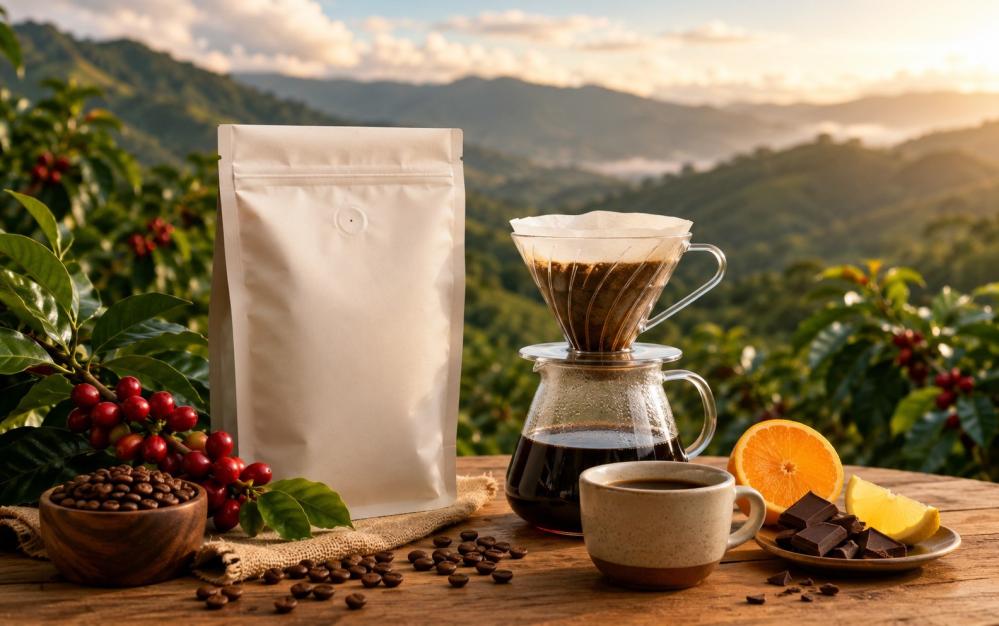
If you're looking for a coffee that combines natural sweetness, balanced acidity, and a pronounced body, Drip On Colombian coffee might be a suitable choice for your daily experience. Drip On offers a selection of specialty coffees that help V60 and espresso enthusiasts explore the characteristics of Colombian beans, with flavors varying according to the growing region, processing method, and roast level.
Colombia is known for producing a diverse range of coffees that can reveal notes of caramel, chocolate, red fruits, citrus, and brown sugar. Therefore, Colombian drip coffee isn't limited to a single flavor; the experience can vary from one variety to another depending on the characteristics of the beans and the brewing method.
This guide provides practical information to help you understand the nature of Colombian coffee, choose the crop best suited to your taste, and adjust the grind and recipe to get a balanced cup at home or work.
What makes Colombian coffee special?
Colombia boasts ideal conditions for coffee cultivation, including varying altitudes, a temperate climate, and suitable soil. These factors contribute to the production of crops with varying levels of acidity, sweetness, and body.
Many Colombian coffees are known for their balanced flavor profile, making them suitable for both beginners and experienced specialty coffee lovers. You might find an acidity reminiscent of apples or oranges, with a sweetness similar to caramel or brown sugar, and a lingering hint of chocolate or nuts.
When trying Colombian drip coffee , it's important to read the product description before buying, as the country of origin alone doesn't determine the flavor. The region, processing methods, and roasting techniques significantly influence the final result.
The most famous coffee-producing regions of Colombia
Colombia includes a number of regions known for producing specialty coffee, and the characteristics of each region vary according to altitude, climate, soil, and cultivated varieties.
Hoila
Huila is one of Colombia's most famous coffee-growing regions, offering crops with pronounced sweetness and balanced fruity acidity. Hints of red fruits, citrus, caramel, and chocolate may be present.
Nariyo
Many of the farms in Nariño are located at high altitudes and may produce dense beans with bright acidity and subtle flavors. Some of its crops are well-suited for drip coffee due to the clarity of the flavors and the resulting clean cup.
Tolima
Tolima's fruit blends often offer a good balance of fruit, chocolate, and sweetness. They may be suitable for those who want to move from traditional flavors to a more complex taste without excessive acidity.
Kauka
Some cauca crops are known for their sweetness, medium texture, and hints of brown sugar, citrus, and mild fruit.
The Drip On Colombian coffee available in the store may contain crops from different regions; therefore, the packaging data and product page should be checked to determine the exact source.
How to choose the right Colombian drip coffee ?
Start by identifying the types of drinks you usually prepare. The coffee you choose for a V60 might differ from the coffee you'd use with an espresso machine or milk-based drinks.
Focus on four key elements:
- Expected hints and flavors.
- Method of processing.
- Degree of roasting.
- Suggested use.
If you prefer classic flavors, look for notes of chocolate, caramel, and nuts. If you like a more vibrant coffee, you might be interested in blends with hints of berries, citrus, or red fruits.
It is preferable to buy a small package when trying a new crop, then move to a larger weight after making sure it suits your taste and method of preparation.
The effect of the processing method on flavor
The way coffee cherries are processed after harvest affects their sweetness, body, acidity, and flavor profile. Some of the most common processing methods include:
Washed treatment
The pulp of the fruit is removed before the grains are dried, usually resulting in a clean, clear cup. The characteristics of the crop are immediately apparent, and acidity may be more pronounced.
Washed treatment is suitable for those who like:
- Citrus fruits and apples.
- Clean flavor.
- Light to medium consistency.
- Balanced acidity.
- Drip coffee.
Natural treatment
The beans inside the coffee fruit dry out before being separated, and this may result in increased sweetness, texture, and fruity flavors.
Naturally processed Colombian drip coffee may feature hints of berries, cherries, and dried fruit, but the result varies depending on the crop and roasting.
Honey treatment
Part of the sugary layer surrounding the bean is retained during drying. The resulting coffee may combine the cleanliness of the washed processing with the sweetness of the natural processing.
anaerobic treatment
These coffees are brewed in a limited-oxygen environment and may produce strong or unconventional flavors. They are suitable for those who enjoy experimenting, but may not be the first choice for beginners.
What is the appropriate roasting level?
The degree of roasting determines how well the characteristics of origin, acidity, sweetness, and texture are revealed. There is no single degree that suits everyone.
light roasting
It preserves the original flavors of the crop, bringing out the fruit, citrus, and acidity more clearly. Careful control of the grinding process and water temperature is required.
Medium roast
It offers a balance between the characteristics of the crop and the flavors of roasting. It may exhibit sweetness, caramel, and chocolate with a moderate acidity, and is suitable for multiple preparation methods.
dark roast
It reduces the clarity of origin characteristics and enhances roasted flavors, bitterness, and body. It may suit those who prefer strong coffee, but it's not the best for showcasing crop details.
When choosing Colombian drip coffee , check the store's recommendation and suggested brewing method rather than relying on the color of the beans alone.
Preparing Colombian coffee using V60
The V60 is one of the most suitable ways to showcase the balance of Colombian coffee, as it gives you control over the grind, temperature, and method of pouring water.
You can start with the following recipe:
- 15 grams of coffee.
- 240 to 250 grams of water.
- Medium grind.
- Water at a temperature between 90 and 94 degrees Celsius.
- Preparation time is between two and a half and three and a half minutes.
Start by moistening the coffee with water equal to two or three times its weight, and wait 30 to 45 seconds. Then continue pouring in regular batches.
If your Colombian drip coffee is sour and weak, use a slightly finer grind or increase the water temperature. If it's bitter and dry, use a coarser grind or reduce the brewing time.
Preparing Colombian coffee with espresso
Colombian coffee beans pair well with espresso due to their balanced sweetness and body. They are suitable for both straight espresso and milk-based drinks.
Start with the following recipe:
- 18 grams of coffee inside the basket.
- 36 grams of espresso produced.
- Approximate extraction time of 25 to 30 seconds.
- Adjust the grind according to taste.
If the espresso comes out too quickly and tastes sour, use a finer grind. If the flow is slow and the taste is bitter or dry, use a coarser grind.
Don't rely solely on brewing time when preparing Colombian drip coffee , as the final taste is the most important factor. One crop might require a 1:2 ratio, while another yields better results with a slightly longer ratio.
Are milk-based drinks suitable?
Many Colombian crops are well-suited to lattes, cappuccinos, and flat whites, especially those with hints of chocolate, caramel, and nuts.
Milk reduces the clarity of some subtle flavors, so you need coffee with a sweetness and body that can come through after adding milk.
Medium roast Colombian drip coffee may be suitable for milk drinks if the crop description indicates classic flavors and a medium or full body.
Very fruity or light-colored fruits, however, can produce a latte with a different and more vibrant flavor. Whether or not you enjoy it depends on your personal taste and preference between traditional flavors and fruity experiences.
Understanding the suggestions written on the packaging
The phrase "caramel or orange notes" doesn't mean these flavors are added to the cereal. It's a description used by tasters to describe aromas and flavors that remind them of specific foods or fruits.
You might find in Colombian coffee allusions such as:
- Caramel.
- Brown sugar.
- Chocolate.
- Almonds and hazelnuts.
- Red apples.
- Oranges.
- Cherries and berries.
- Dried fruits.
- Honey.
A beginner might not notice all these details on their first try. Tasting skills improve with comparisons between crops and using a consistent preparation recipe.
When drinking Colombian drip coffee , let the cup cool down a little, as some flavors become more pronounced as the temperature drops.
The importance of roasting history
The roasting date is more important than relying solely on the expiration date. Coffee needs a resting period after roasting to allow some of the gases inside the beans to escape.
The ideal resting time varies depending on the roast level and brewing method. Drip coffee may be ready to use after several days, while some espresso beans require a longer resting time.
When buying Drip On Colombian coffee , check the roasting date or the store's roasting and shipping policies. Buy only what you need to avoid having the package open for too long.
Whole beans or ground coffee?
It is preferable to buy whole beans and grind the required amount just before preparation, because ground coffee loses some of its aromas more quickly as a result of increased exposure to air.
If you do not own a grinder, choose the appropriate grind for your brewing tool:
- Fine grind for espresso.
- Medium grind for V60.
- Medium to fine grind for AeroPress according to the recipe.
- Coarse grinding for French press and cold brew.
Using a good grinder helps you get more benefit from Colombian drip coffee , because the uniformity of the grinding particles reduces unbalanced extraction.
A practical recipe for tasting the harvest
When trying a new crop, use a consistent recipe so you can fairly evaluate the coffee. You can use 15 grams of coffee and 250 grams of water using the drip method.
After preparation, evaluate the following elements:
- The smell before drinking.
- Sweetness level.
- The nature of the acidity.
- The texture.
- Clarity of flavors.
- The remaining taste.
- The flavor changes after the cup cools down.
When trying Colombian drip coffee , take notes and compare it to Ethiopian or Brazilian varieties. This comparison will help you determine the origin and flavor profile that best suits your taste.
Storing coffee correctly
Coffee is affected by air, humidity, heat, light, and strong odors. To maintain its quality:
- Close the container tightly after each use.
- Place it in a cool, dry place.
- Keep it away from sunlight.
- Do not place it near the oven.
- Avoid storing them next to spices.
- Grind only the required amount.
- Do not leave the package open for an extended period.
Colombian Drip-On coffee can be kept in its original packaging if it is airtight and equipped with a suitable valve. There is no need to transfer it to another container unless the packaging does not seal properly.
It is not recommended to keep the package used daily in the refrigerator, because opening and closing it may expose the grains to moisture and odors.
Why buy from Drip On store?
Drip On helps customers explore coffee varieties and select products based on origin, flavor, and brewing method. Available weights and options can be compared before placing an order.
When looking for Colombian drip coffee in a store, check the crop description, processing method, roast level, and suggested uses. Don't rely solely on the country of origin, as each crop can offer a different experience.
Start with a small pack when you are unsure about the flavor, or choose a package that includes more than one crop to experience differences in origin and processing.
Common mistakes when preparing Colombian coffee
Some mistakes that can reduce the quality of the cup:
- Use low-temperature water with light roasting.
- Choosing a grind that is too coarse.
- Do not weigh the coffee and water.
- Pour the water very quickly.
- Changing more than one factor at the same time.
- Using old pills.
- Buying a large quantity that is not commensurate with consumption.
- Neglecting to clean the grinder and preparation tool.
- Judging coffee when it is too hot.
Even with the selection of high-quality Colombian drip coffee , you may need to adjust the grind, heat, and water ratio to achieve the best result.
Colombian drip coffee is a great choice for those looking for a well-balanced cup that combines sweetness, acidity, and body. Flavors can vary from caramel and chocolate to citrus and red fruits, depending on the region, processing, and roasting.
For best results, read the crop description, choose the appropriate grind, use a consistent scale and recipe, and adjust one factor at a time. Store the grain in a cool, dry place and grind the required amount just before preparation.
Through the Drip On store, you can explore Colombian Drip On coffee and try options that suit V60, espresso and milk drinks, until you get to the crop that matches your daily taste.
Frequently Asked Questions
What is the nature of the flavor of Colombian coffee?
It is often known for its balance between acidity and sweetness, and may have hints of chocolate, caramel, citrus, apples, and red fruits.
Is Colombian coffee sour?
It may have a pronounced acidity, but this is usually balanced with sweetness and texture. The result is influenced by the region, processing, roasting, and preparation method.
Is it suitable for V60 or espresso?
Colombian crops can be used for both methods. Roasting recommendations and suggested uses for each crop should be reviewed.
What is the best weight for the first trial?
A 125-gram or 250-gram pack is suitable for trying a new crop before purchasing a larger weight.
Is Colombian coffee suitable for a latte?
Yes, especially medium-roasted crops that carry hints of chocolate, caramel, and nuts.
How do I choose the right Colombian drip coffee ?
Determine your preferred brewing method and flavor profile, then review the processing, roasting level, and aromas. Start with a small package and gradually adjust the grind.
